.jpg)
I Trained Zumba Instructors Through Its Boom. Here's Why Now Is a Good Time to Train to Teach Pilates.

Ever wondered if Pilates is just another fitness trend that'll fade out in a couple of years?
I get why you'd ask. Fitness has fads. Kettlebells had a moment. Spin studios popped up on every high street and then half of them closed. So it's fair to wonder whether Pilates right now is the same thing on repeat.
I don't think it is, and that's exactly why I think now is a good time to train to teach Pilates. I can say that with more confidence than most people writing about this, because I've watched this exact pattern play out before, up close, for seven years.
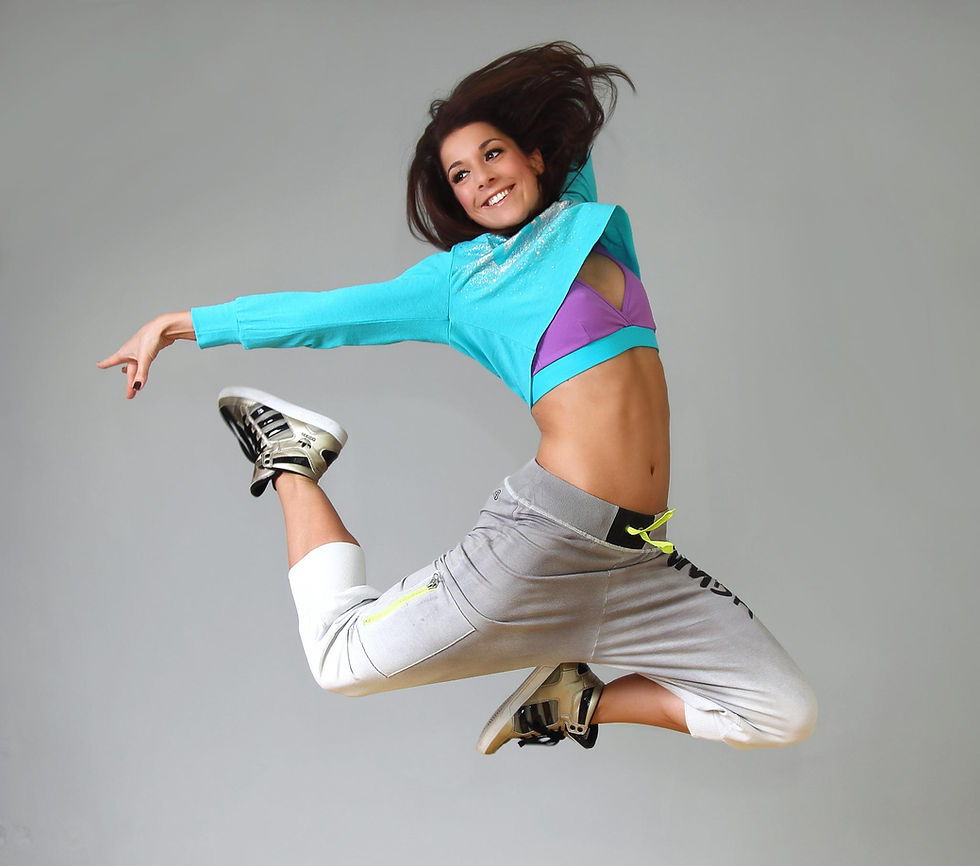
From nobody knowing what it was, to fifty five people a day
I joined Zumba in 2007 as an Educational Specialist. My job was training instructors, and not just in the UK. I trained people across the world. When I started, most people had never heard the word "Zumba." By the time I left in 2014, I had been running training weekends, Friday, Saturday and Sunday, with fifty five people in the studio each day for 7 years. Regular Zumba certifications. Specialist courses on top of that. Weekend after weekend, all over the world.
I watched people walk into that training with zero fitness teaching experience. No dance background. No gym CV. Nothing. And I watched a good number of them leave that training and build something real: a few classes a week alongside their existing job, then a full timetable, then a business that supported their whole family. Some built an entire new career out of it. That wasn't the exception. I saw it happen again and again.
Why train to teach Pilates now looks like Zumba in 2007
Pilates studio numbers have been climbing steadily worldwide for years, and Reformer Pilates and Mat Pilates are both busier than they've been in years. I keep seeing the same ingredients that made Zumba take off: a format people genuinely want to do, communities being built, and a route into running your own classes off the back of it that doesn't need a small fortune of capital first.
That second part matters more than people give it credit for.
Training to teach Pilates costs the same either way. Running your own classes doesn't.
Here's something worth being straight about. Training to teach Mat and training to teach Reformer cost about the same. That's not where the real difference sits.
The difference shows up after you qualify, in what it takes to run your own classes. Reformer needs kit. A single commercial reformer runs into the thousands, and a proper studio fit-out is a serious investment on top of that. Most newly qualified Reformer instructors don't buy their own machines straight away, they teach inside someone else's studio instead, on that studio's timetable, at whatever rate the studio sets. That rate is capped. It doesn't matter how good you are or how full your class is, the studio cannot pay you more than a third of the class revenue.
Mat doesn't need any of that. You need a mat and a bit of space, which can cost next to nothing: a park, a beach, a community hall, a gym you hire by the hour, online, even a cruise ship. That means a newly qualified Mat instructor can set up and run their own classes almost straight away, set their own price, and keep what they earn. Teaching inside someone else's gym or studio caps your rate whether you're teaching Mat or Reformer. Running your own classes is what actually changes what you can earn, and Mat is the discipline that makes running your own classes realistic from day one.
If you're weighing up where to start, that's worth sitting with. Reformer is a brilliant, high value skill to build towards, and if teaching inside an established studio while you build experience appeals to you, that's a good route in.
But if what you want is to run your own classes sooner rather than later, Mat gets you there faster, because it doesn't need someone else's expensive setup first.
I'm not going to tell you training to teach Pilates is a guaranteed pile of money
I won't say that, because it isn't true, and it wasn't true for Zumba instructors either. What I will say is what I watched happen, over and over: training to teach opens up an option that wasn't there before. For some people that's a few classes alongside a full time job. For others it's a portfolio, a few different part time or freelance bits stitched together. For a smaller number, it becomes the whole career.
I saw a version of the same idea recently from a trader I follow on Instagram, @shiftingshares, who wasn't talking about fitness at all. He was writing about UK savings, that around 40% of people have less than £1,000 put by, and what he'd do starting from zero: build an emergency fund first, then put money into a skill that raises what you can earn, because investing in course that gets you a better income beats most other investments on short-term return. He's talking about savings strategy. I'm talking about what I watched happen to instructors for seven years. Same underlying idea though: a skill that opens up earning potential is one of the better investments going, in good years and in hard ones.
Quick answers about training to teach Pilates
Is Pilates just a passing trend?
The pattern doesn't look like a short-term fad. Studio numbers have been climbing steadily for years, and Zumba, the last fitness format to grow this fast, is still active in over 180 countries more than fifteen years after its own boom. Formats that spread this widely tend to settle into permanent fixtures rather than disappear.
Do I need dance or fitness experience to train to teach Pilates?
No. Some of the strongest instructors I trained at Zumba had never taught anything before. The same is true in Pilates. What matters is whether you're willing to learn properly and put the work in, not what you've already done.
Is Mat or Reformer the better place to start?
Neither is "better," they're different entry points, and training costs about the same either way. The real difference is what you can do once you qualify. Mat lets you set up and run your own classes almost immediately, because it only needs a mat and a space. Reformer usually means teaching inside an established studio at first, because owning the equipment yourself is a bigger jump. Plenty of instructors do both eventually, because it gives them more ways to help the people in front of them.
Curious whether this is the right time for you?
If any of this sounds like where you are, weighing up a change, wondering whether it's too late, or not sure whether Mat or Reformer fits your situation better, that's exactly the conversation worth having before you commit to anything.
Still deciding? Get in touch, I reply personally.
Fearless Fitness Training Academy delivers YMCA Level 3 accredited Pilates instructor training across the UK, in both in-person and live online formats, led by Naomi Di Fabio.


Comments